The Tarrytown Journal
Buying an Older Home in Tarrytown: What to Check
Much of Tarrytown was built between the 1930s and the 1960s, with a few homes reaching back to the 1920s, so buying here often means falling for an older house. That age brings real character and irreplaceable lots, and it also brings systems and structure worth studying closely. Here is an honest look at what to check, and how to weigh charm against the work a home may need.
Because so much of Tarrytown's housing stock dates to the 1930s through the 1960s, evaluating an older home is a routine part of buying here. These houses can be wonderful, and they can also carry deferred maintenance and dated systems that a beautiful kitchen renovation hides. The goal of this guide is not to scare you off older homes, which are the heart of the neighborhood, but to help you look past the finishes to the things that cost real money. None of this substitutes for professional inspections and your own verification of any specific property.
Why buyers love Tarrytown's older homes
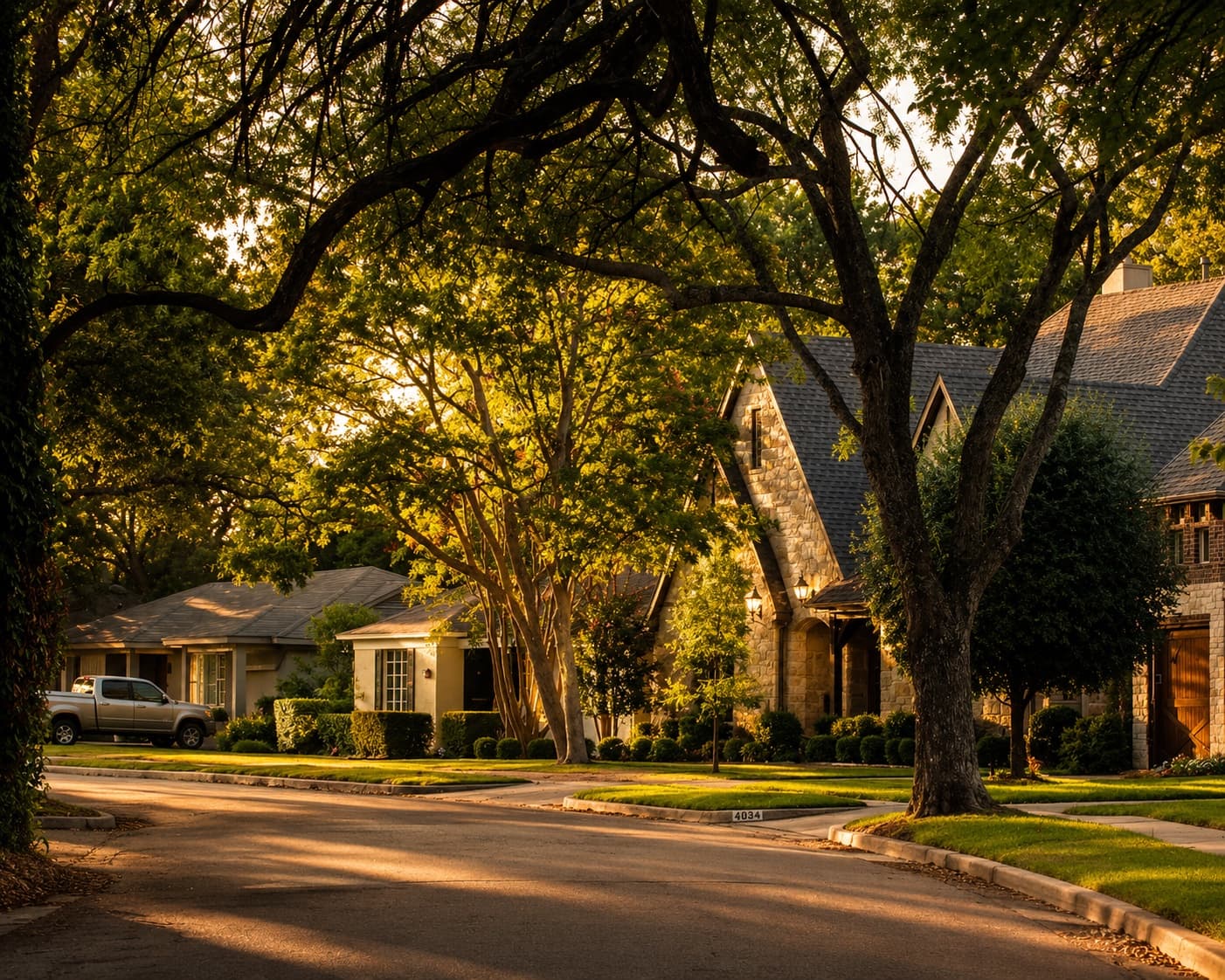
Start with what draws people in. Older Tarrytown homes offer character that new construction cannot easily replicate: storybook Tudors, serene Colonial Revivals, and stucco Mediterranean houses, each with details like leaded glass, arched doorways, and hand-laid masonry. Just as important is the land. Many original lots are larger and more mature than what you find in newer parts of Austin, and they sit under a canopy of live oaks that takes generations to grow. Add a genuinely central location, close to Lake Austin, downtown, and top schools, and the appeal is obvious. For more on the styles you will encounter, see our Tarrytown architecture guide.
The foundation
The single most important thing to understand in Central Texas is the soil. This region sits on expansive clay that swells when wet and shrinks when dry, and that movement works on foundations over decades. Older homes may be built on a slab or on pier-and-beam, and both can be affected. Watch for clues like stair-step cracking in brick, gaps around door and window frames, sticking doors, and sloping floors, but treat these as prompts to investigate rather than verdicts. Get a structural read from a licensed inspector, and where the situation warrants it, a licensed structural engineer, before you draw any conclusion about a specific home. Foundation work can be one of the costliest items on an older property, so it is worth understanding early.
Systems and roof
Behind the walls, the mechanical systems are where age shows most. Older homes may still have original or early plumbing, which can include cast iron drain lines or galvanized steel supply lines that corrode and restrict flow over time; a plumber can scope the lines to assess them. Ask about the age of the electrical panel and wiring, since older service may be undersized for modern living and some vintage wiring types draw extra scrutiny. Check how old the HVAC equipment is and whether ductwork has been updated. Look hard at the roof, its age, material, and remaining life, and at the windows, which in original homes may be single-pane and less efficient. Each of these has a replacement cost, and knowing where they stand helps you price the home realistically.
Drainage, moisture, and pests
Water is the quiet enemy of an older house. Look at how the lot drains and whether grading pushes water toward the foundation, since poor drainage both stresses the structure and invites moisture indoors. In a home that has stood for decades, check for past or present signs of moisture in crawl spaces, basements where they exist, attics, and around plumbing. Central Texas also has termites and other wood-destroying insects, so a dedicated wood-destroying insect inspection is worth ordering alongside the general inspection. Mature landscaping and big trees are part of the charm, but they also mean roots, shade, and leaf litter that can affect drainage and roofing, which brings us to the trees themselves.
The trees
Tarrytown's mature live oaks are a genuine asset that adds value and beauty, and they also deserve thought when you buy. Large trees near the house can lift and crack flatwork, and their roots and the way they change soil moisture can interact with foundations, so note where the big specimens sit relative to the structure. Just as important, you cannot assume you are free to remove a large tree. The City of Austin regulates trees above a threshold diameter, generally measured about four and a half feet above the ground, and the largest qualifying trees of certain species, including live oaks, are treated as heritage trees whose removal is generally prohibited except through a stringent variance process. Thresholds and rules can change, so verify the current tree-protection and heritage-tree ordinance directly with the City of Austin arborist program and confirm what applies to a specific lot before counting on any removal or major addition.
Renovations and permits
Older homes have often been touched many times, and not every past project was done by the book. Where a home has an addition, a converted garage, a finished attic, or a remodeled kitchen or bath, ask whether the work was permitted and inspected. Unpermitted work is a real risk: it can mean substandard construction hidden behind finishes, complications at resale, and exposure if the city later requires it to be brought up to code. Permit history is something you and your team can research through City of Austin records, and it is worth doing rather than taking a seller's word. For how this fits into the broader transaction, see the Tarrytown home buying process.
Renovate, or is it a teardown?
Sooner or later, many buyers of older Tarrytown homes face the same question: restore it, or start over. There is no universal answer. Weigh the realistic cost to renovate the existing home, informed by actual contractor estimates, against the value of the lot plus a ground-up rebuild. When the structure is sound and the layout works, a renovation can preserve character and often costs less. When foundation, systems, and roof all need replacing at once, the math can tip toward a rebuild, which is why so much of the neighborhood turns over through teardown. Our guide to new construction versus an older home in Tarrytown walks through the trade-offs in more depth.
Get the right inspectors
The through-line of everything above is simple: buy on facts, not on finishes. Start with a thorough general inspection by a licensed inspector, then bring in specialists where the home warrants it, such as a structural engineer, a plumber to scope the lines, a licensed electrician, a roofer, and a wood-destroying insect inspector. Verify permits through the City of Austin and confirm current tree rules with the city arborist. These professionals give you an honest picture and real numbers, which is exactly what you need to make a confident offer. To see what is available right now, browse current Tarrytown homes for sale, and when you are ready to evaluate a specific property, a Tarrytown buyer's agent can help you assemble the right team and read the results.
Good to know
Tarrytown questions, answered
- How old are most homes in Tarrytown?
- Much of Tarrytown's housing stock was built between the 1930s and the 1960s, with a handful of homes dating to the 1920s. Because the neighborhood also sees active teardown-and-rebuild, an original 1940s cottage can sit next door to a brand-new contemporary build. Always confirm a specific home's year built and permit history rather than assuming from the block, and have a licensed inspector evaluate the actual condition.
- Do older Tarrytown homes have foundation problems?
- Not necessarily, but Central Texas sits on expansive clay soils that swell and shrink with moisture, which can move slab and pier-and-beam foundations over decades. Some older homes show cosmetic cracking, sticking doors, or sloped floors; others are stable. The only reliable way to know is to hire a licensed inspector, and where warranted a licensed structural engineer, to evaluate the specific property. This is general information, not an assessment of any home.
- What should I check before buying an older home in Tarrytown?
- Prioritize the expensive systems: foundation, roof, plumbing (older homes may have cast iron or galvanized supply and drain lines), electrical panel and wiring, and HVAC. Then look at drainage, moisture, and pest history, the condition of windows, and whether past renovations were properly permitted. A general inspector plus the right specialists gives you the clearest picture before you finalize an offer.
- Can I remove a large tree to build or expand on a Tarrytown lot?
- Maybe not freely. The City of Austin protects larger trees. As a general guide, trees at or above a threshold diameter measured about 4.5 feet above the ground are regulated, and the largest qualifying trees of certain species, including live oaks, are treated as heritage trees whose removal is generally prohibited except through a stringent variance process. Rules and thresholds change, so verify the current ordinance with the City of Austin arborist program and confirm what applies to a specific lot before you plan any work.
- How do I know whether an older home is worth renovating or is really a teardown?
- It comes down to weighing the cost to restore the existing home against the value of the lot and a ground-up rebuild. If the bones are sound and the layout works, a renovation can preserve character at a lower cost. If systems and structure all need replacing, the numbers may point toward a rebuild. Get real contractor estimates and lean on a local agent and licensed professionals rather than guessing.
Related
Continue through Tarrytown
Work with Luke
Buying an older Tarrytown home?
Luke helps buyers evaluate older homes honestly, from the bones to the rebuild value, before you write an offer.

Luke Allen
Licensed Texas REALTOR, TREC #788149
Austin Marketing + Development Group